
WEIGHT-NEUTRAL
|
TRAUMA-INFORMED
|
EVIDENCE-BASED
|
WEIGHT-NEUTRAL | TRAUMA-INFORMED | EVIDENCE-BASED |
Disordered Eating Nutrition Counseling for Anybody in Any Body
Disordered eating nutrition support helps individuals break free from cycles of restriction, binging, and chronic dieting while cultivating a more supportive relationship with food and their bodies. My goal is to help food take up less mental space, leaving more room for the things that matter most in your life.


if you’ve found yourself stuck in cycles of
Restriction…
Over-eating…
Constantly “starting over”…
You’ve come to the right place.
If food or body image thoughts are taking up way too much mental space, you’re not alone. Maybe years of dieting have made it difficult to trust your hunger and fullness cues. Or you’ve developed a list of “good” and “bad” foods that make you feel guilty about your choices.



Our work is about stepping away from rigid rules and the anxiety and guilt that come with them, so you can build a more peaceful relationship with food, movement, and your body.
A relationship that supports your long-term well-being rather than another quick fix.

disordered eating Support comes from all angles.
Sessions are tailored to your needs and may include:
Strategies to reduce engagement in yo-yo dieting
Working to reduce food-related guilt and anxiety
Discussing ways to incorporate movement, joyfully
Improving self-talk around food and body image
Nutrition education and guidance specific to your body’s needs
a trauma-informed approach
I’m committed to creating a safe, compassionate space where you can talk about food, body image, movement, and more—without judgment.
When you work with me, you’re working with a provider who understands both the physiology and the cognitive side of nutrition. Together, we’ll move beyond restriction, emotional eating, and the feeling that you can’t trust yourself around food, with intentional support rooted in validation, empathy, and your long-term well-being. Ready to reduce the food related-thoughts?



Here are some habits and patterns we can work through with me as your dietitian:
Restrictive eating and yo-yo dieting
Binge eating and overeating
Feeling dysregulated around food
Compensatory behaviors such as exercise
Negative body image and self-talk


“Lauren has been incredible to work with. She has helped me build a much more intentional relationship with nutrition without relying on restrictive diet culture. Her approach is rooted in body neutrality, and she always works with me to find practical, sustainable options that fit my life instead of prescribing a one-size-fits-all solution."
- KR
Working with a dietitian isn’t just about what to eat and meal planning.
In fact, that couldn’t be further from the truth. At RN&W, we are interested in the why behind your eating behaviors: the experiences, beliefs, barriers, and messages that shape your relationships with food.
Here’s a few modalities I use within my scope as a dietitian:
-
Feminist Frameworks
RN&W utilizes feminist frameworks, because how we feel about food and our bodies is often influenced by society, culture, and systems.
-
Motivational Interviewing
RN&W uses motivational interviewing to meet you where you are, explore what motivates you, and find realistic ways to move toward your goals.
-
Cognitive Behavioral Therapy
RN&W incorporates CBT principles to help you get curious about the thoughts behind your eating behaviors and practice new ways of thinking and responding.
-
Acceptance and Commitment Therapy
RN&W practices with ACT-aligned principles to help you make dietary and lifestyle choices that align with what matters most to you.

Meet Lauren, Your Dietitian
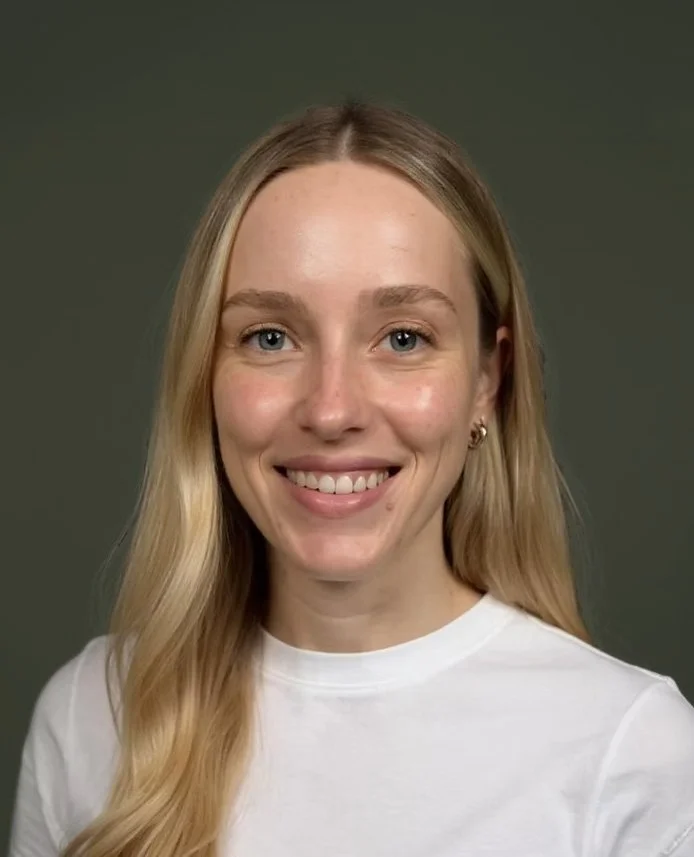
As a doctoral student, I am in the trenches of the research within my areas of expertise, including GLP-1s. Much of my doctoral research thus far has explored the implications of GLP-1 use in eating disorders and disordered eating, as well as body image satisfaction and GLP-1 interest and use. I am equipped to provide evidence-based, individualized recommendations to ensure that your GLP-1 journey is safe, effective, and sustainable.
Additionally, I am a trauma-informed provider which means I aim to create a respectful and encouraging space for folks. I understand not only physiology and can tailor nutrition interventions to an individual’s body’s needs, but I also understand the cognitive/mental side of nutrition allowing me to bring validation, empathy, and another perspective to the table when speaking with clients and creating interventions.
Ready to talk to a dietitian about your GLP-1 use?