
WEIGHT-NEUTRAL
|
TRAUMA-INFORMED
|
EVIDENCE-BASED
|
WEIGHT-NEUTRAL | TRAUMA-INFORMED | EVIDENCE-BASED |
GLP-1 Dietitian Support
Taking a GLP-1 isn't as simple as taking a weekly injection and hoping for the best. Whether you're considering starting a GLP-1 or have been taking one for a while, I will help you navigate the real-life questions and challenges that come with it.



Taking a GLP-1?
Thinking about it?
Side-eyeing all the conflicting advice online?
You’ve come to the right place.
GLP-1 counseling at RN&W goes beyond the generic advice you have probably already heard. Together, we will break down broad recommendations to create a plan that's individualized for your body, your lifestyle, and your goals.


GLP-1 Dietitian Support comes from all angles.
Sessions are tailored to your needs and may include:
Meal planning to help ensure you are eating enough
Support for meeting protein needs and preserving muscle mass
Strategies for managing medication-related side effects
Physical activity support
Space to navigate changes in your relationship with food and your body

Taking a GLP-1 isn't as simple as taking a weekly injection and hoping for the best.
Whether you're considering starting a GLP-1 or have been taking one for a while, I will help you navigate the real-life questions and challenges that come with it.
The best part?
At RN&W we take a weight-neutral approach to GLP-1 care
This means, weight loss does not have to be the emphasis of our work.
Taking a weight-neutral approach to GLP-1 care allows us to monitor weight trends to ensure safe and effective use, while putting the focus onto how you feel.
Weight loss doesn’t have to about the scale, it can be about creating a toolbox of sustainable strategies to ensure your successful outcome: whether that’s lower blood pressure, cholesterol, or inflammation in your body.



Here are some of the problems we’ll be working through with me as your dietitian:
Worried about losing muscle while losing weight
Struggling to navigate gastrointestinal (GI) side effects
Struggling with identifying ways to eat enough when food is an afterthought
Having awkward standoffs with your scale every week
Noticing disordered eating thoughts and behaviors


“I avoided seeing a dietician for years after a previous experience as an adolescent. Lauren has completely changed my outlook on working with a dietician, providing education on food/nutrition/routine with consistency and nonjudgment.”
- AD
Working with a dietitian isn’t just about what to eat and meal planning.
In fact, that couldn’t be further from the truth. At RN&W, we are interested in the why behind your eating behaviors: the experiences, beliefs, barriers, and messages that shape your relationships with food.
Here’s a few modalities I use within my scope as a dietitian:
-
Feminist Frameworks
RN&W utilizes feminist frameworks, because how we feel about food and our bodies is often influenced by society, culture, and systems.
-
Motivational Interviewing
RN&W uses motivational interviewing to meet you where you are, explore what motivates you, and find realistic ways to move toward your goals.
-
Cognitive Behavioral Therapy
RN&W incorporates CBT principles to help you get curious about the thoughts behind your eating behaviors and practice new ways of thinking and responding.
-
Acceptance and Commitment Therapy
RN&W practices with ACT-aligned principles to help you make dietary and lifestyle choices that align with what matters most to you.

Meet Lauren, Your Dietitian
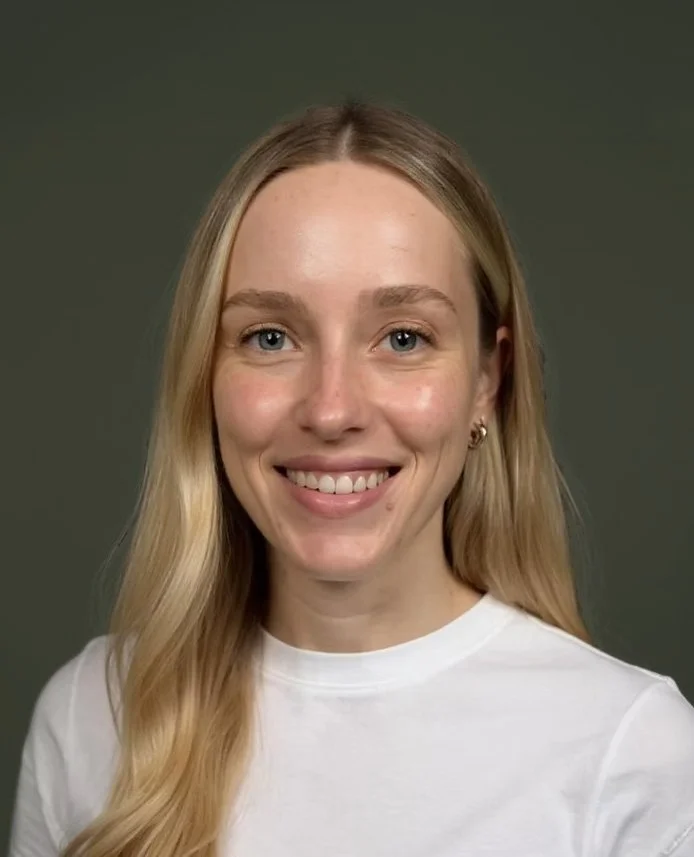
As a doctoral student, I am in the trenches of the research within my areas of expertise, including GLP-1s. Much of my doctoral research thus far has explored the implications of GLP-1 use in eating disorders and disordered eating, as well as body image satisfaction and GLP-1 interest and use. I am equipped to provide evidence-based, individualized recommendations to ensure that your GLP-1 journey is safe, effective, and sustainable.
Additionally, I am a trauma-informed provider which means I aim to create a respectful and encouraging space for folks. I understand not only physiology and can tailor nutrition interventions to an individual’s body’s needs, but I also understand the cognitive/mental side of nutrition allowing me to bring validation, empathy, and another perspective to the table when speaking with clients and creating interventions.
Ready to talk to a dietitian about your GLP-1 use?